Capturing the Essence of Landscapes: Exploring Cultural and Economic Dimensions through Travel Photography
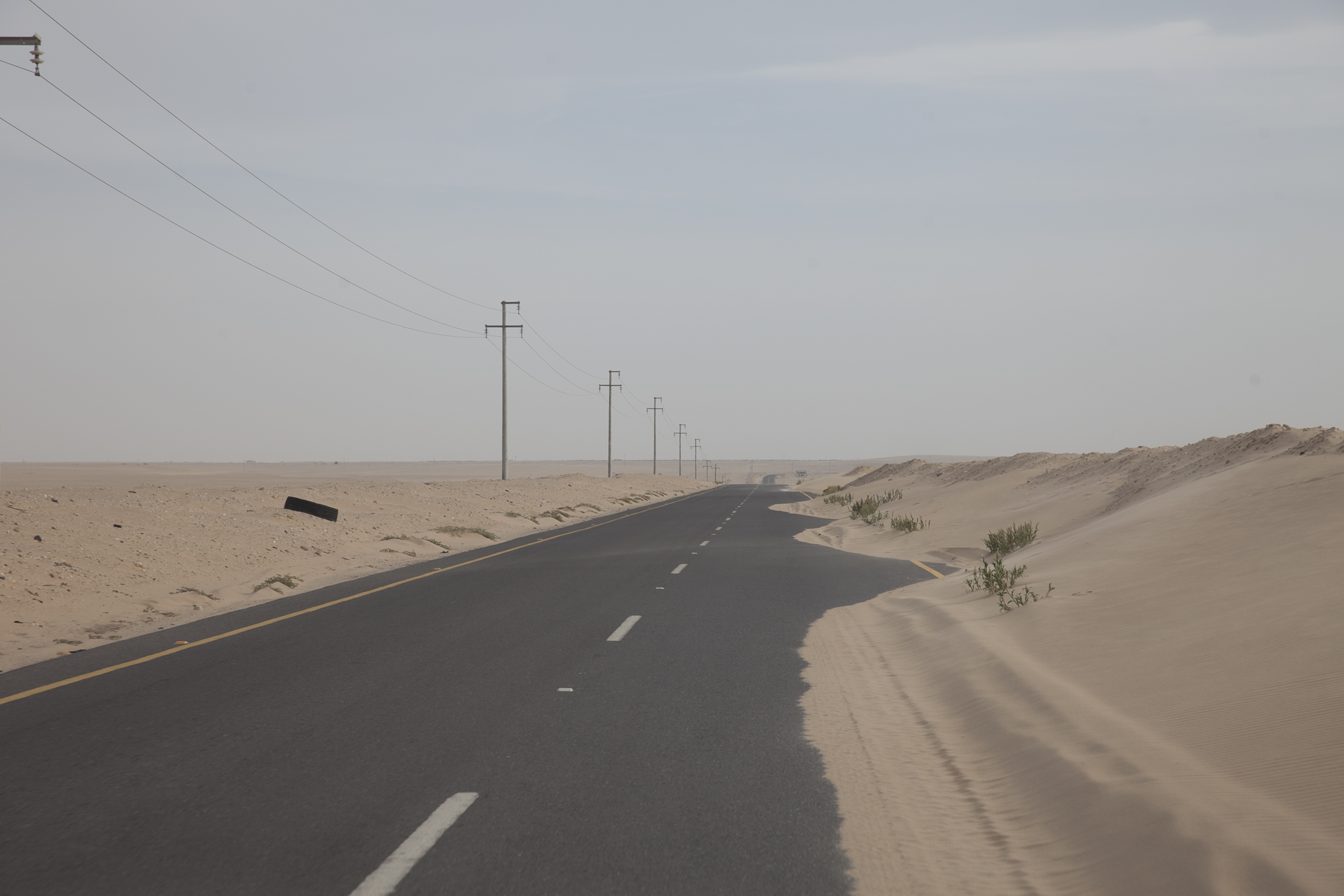
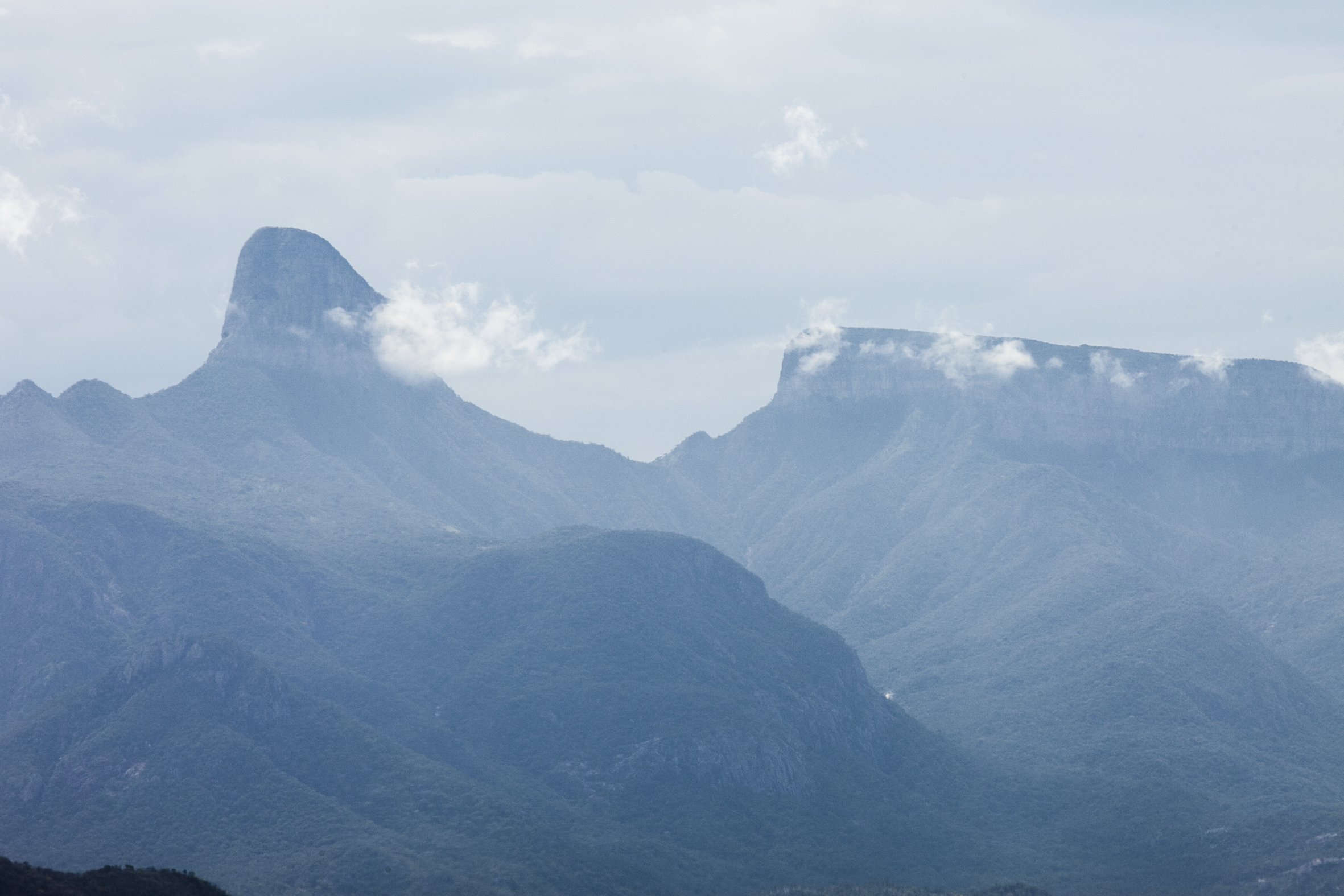
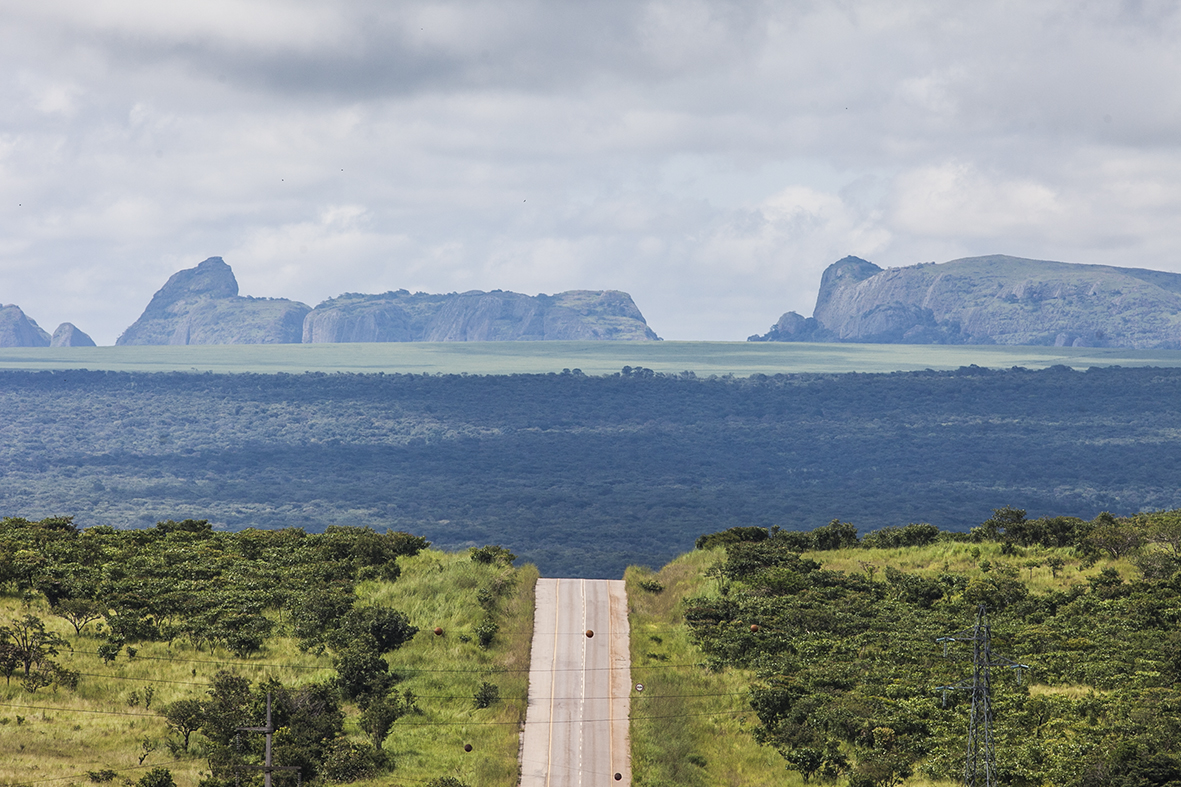
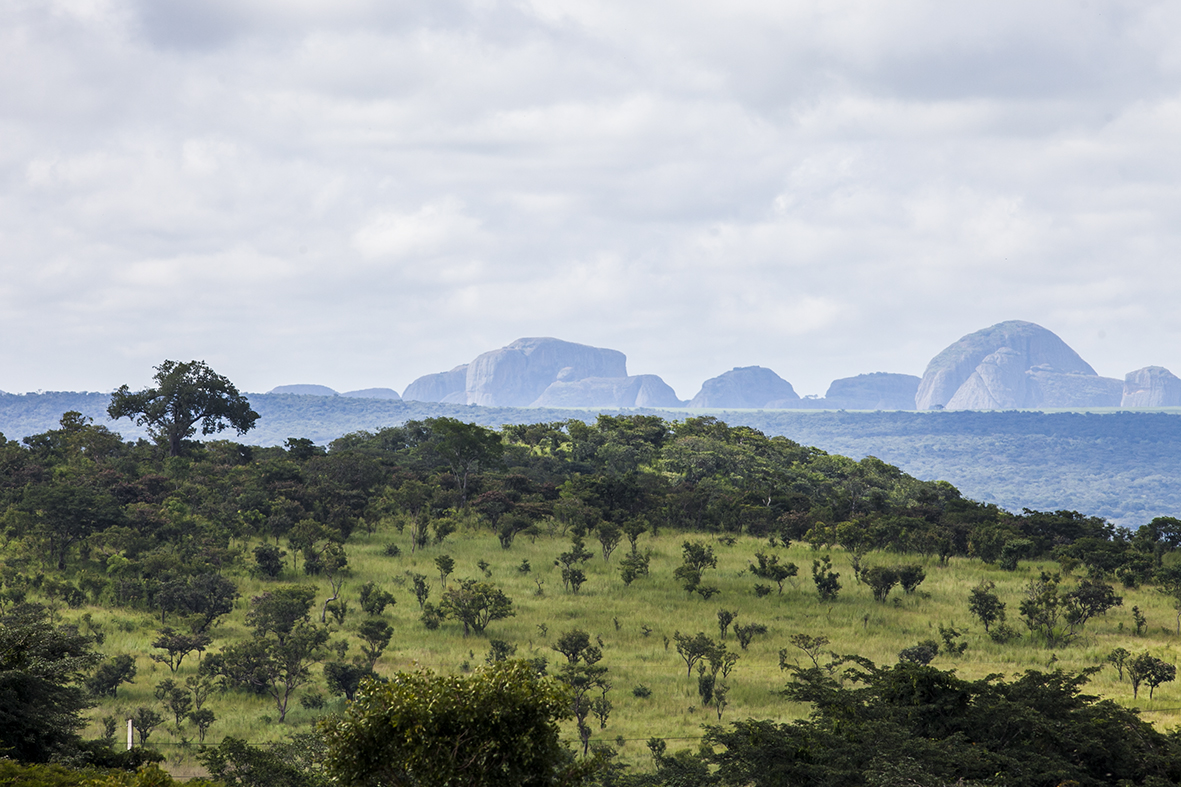
Although I don’t consider myself a landscape photographer, this category is closely intertwined with my travel photography. While it may lack the presence of the human element, landscapes often reflect the social, cultural, and economic development of countries. Hence, it would be remiss of me not to capture these locations during my business travels. For me, landscape photography serves as a contemplative exercise, providing a geo-political and economic understanding of regions and countries. Furthermore, it plays a significant role in tourism, as it helps create or re-create value and interest in specific destinations through imagery. Take, for instance, the Sintra Mountains and the Pena Palace, which gained prominence as an artistic cultural destination due to the romanticism era promoted by D. Fernando. They became mandatory stops or investments for the upper and aristocratic class, leaving a lasting impact on European artists. Similar strategies have been employed in recent times, such as the case of the Grand Canyon in the United States of America.







 Duarte Lima Villas Photography