
Unveiling the Power of Storytelling: The Impact of the Single Image.
In the realm of photography, there exists a mesmerising form of communication that goes beyond words, a universal language that speaks to our souls. It is the power of storytelling through the camera and lens, where a single image has the potential to transport us to faraway lands, evoke raw emotions, and ignite our imagination. Like a skilled travel writer, a photographer must embark on a journey of discovery, seeking to capture the essence of their subject and weave a tale that resonates with viewers worldwide.
I have had the privilege of capturing remarkable stories from diverse corners of the world. Each journey behind my camera and lens has been an extraordinary experience, weaving together the tapestry of humanity and illuminating the power of photography as a storytelling medium. I would love to extend this into a more detailed inside perspective but I am afraid that I would need a different approach and another platform to write it down (Perhaps a sponsor!?). In this article, I will focus to make us embark on an exhilarating exploration of my photographic endeavours, showcasing how photography storytelling needs to be preserved, explained and how the breathtaking narratives that have left an indelible mark on my soul.
When a photographer sets out to tell a story through their lens, they become both artist and storyteller, meticulously crafting each frame to evoke a specific mood or provoke a particular reaction. They are tasked with capturing the fleeting moments that encapsulate the essence of their subject, whether it’s the vibrant chaos of a bustling market, the quiet serenity of a pristine landscape, or the profound emotions etched on a person’s face. Every click of the shutter is a deliberate choice, a brushstroke on the canvas of visual storytelling but sometimes I choose not to do so and I just contemplate the moment without my camera, without nothing in between and leave it to rest in my deepest memories.
In those instances, I choose to simply observe, absorbing the essence of the scene without any intermediary. These are the moments I hold sacred, allowing them to shape and nourish my understanding. They are instances that become cherished treasures where I am fully present, and it is best to preserve these experiences in their untouched, pristine state, offering them to others as unspoiled treasures waiting to be discovered. I do see them as moments truly instrumental in shaping my character, cultivating in me a deeper connection to the present and allowing me to rebuild myself anew, not as an external observer, but as an active participant in documenting.
To create a visual narrative that truly captivates, a photographer must immerse themselves in the subject’s world, observing, listening, and connecting with their surroundings. They become a keen observer, attuned to the nuances and intricacies that unfold before their eyes. It is through this deep understanding and empathy that they can distil the essence of the story into a single, powerful image.
However, it is important to note that while a photographer can become deeply involved in the subject matter, they must maintain a certain level of detachment to preserve their role as an objective observer. By maintaining a balance between immersion and objectivity, photographers can capture the authentic moments and emotions without becoming overly involved in the narrative. This allows them to tell stories that resonate with viewers, evoking emotions and sparking a connection that goes beyond mere observation.
In 2009, during my visit to Manila, Philippines, I embarked on a photography project focused on shedding light on a pressing health issue: the alarming death rates of young pregnancies among adolescent girls, which accounted for a staggering 92%. In order to capture the raw reality and convey a truthful narrative, I immersed myself in the heart of the slums, living alongside these young girls and their families.
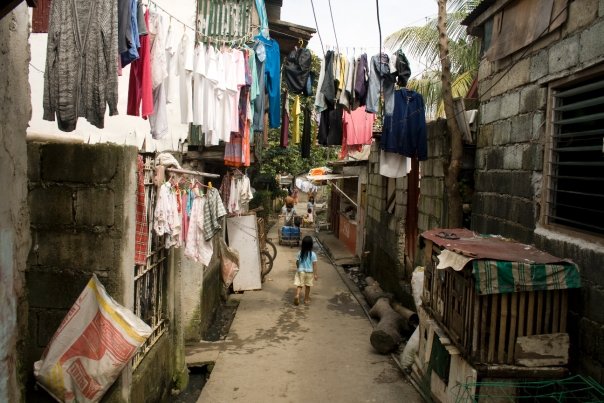
Living within the community presented its challenges, as it blurred the lines between observer and participant. While my goal was to document their daily lives and experiences, I had to strike a delicate balance between being present and engaged, yet respectful and non-intrusive. It was crucial for me to maintain a level of detachment while constructing a visual narrative, ensuring that their normal behaviours and authentic reactions were not influenced or distorted by my presence.
Navigating this sensitive subject required empathy, sensitivity, and ethical considerations. It was essential to approach the project with a deep understanding of the cultural and social context, allowing me to capture the essence of their daily routines, struggles, and resilience without exploiting or sensationalising their experiences.
By immersing myself in their world, I aimed to create a powerful visual story that would raise awareness about the harsh realities these young girls face and spark conversations about the urgent need for support, education, and resources to address this issue. Through my photography, I sought to amplify their voices and advocate for change, urging society to take action and provide better opportunities for these vulnerable individuals.
Ultimately, my time spent in the Manila slums of Las Piñas and Barangay was a humbling and transformative experience. It reinforced the power of photography as a medium for storytelling, allowing me to connect with the subjects on a profound level and bring their stories to a wider audience. It is my hope that through these images, viewers could not only be moved but also inspired to take action, fostering a greater understanding and empathy for the challenges faced by young girls in these circumstances. Tell their stories and leave the subject open for discussion while exposing it to provoke change and understanding.
This process of immersing oneself in the subject’s world and capturing their stories can have personal and emotional consequences since it requires delving into, sometimes, challenging or sensitive topics by witnessing and experiencing the realities of others, grappling with the weight of those experiences.
Lets talk about some good examples for a better perspective
I like the example of the great Michael Yamashita, a Japanese-American photographer known for his captivating images of Asia and beyond. One of his notable experiences that had a positive impact on his life was his assignment for National Geographic to photograph the ancient Silk Road.
During his extensive travels along the Silk Road, Yamashita immersed himself in the rich history, culture, and landscapes of the regions he explored. He documented the remnants of the once-vibrant trade route, capturing stunning images that showcased the enduring spirit of the Silk Road’s people and their traditions. His photographs not only showcased the beauty and diversity of the Silk Road but also sparked curiosity and fascination among audiences worldwide, including mine. I was ten years old and I still have that original issue with me. His images transported viewers to different corners of Asia, connecting them with the historical significance and cultural heritage of the Silk Road.
The positive impact of Yamashita’s experience can be seen in the way his photographs have inspired a sense of wonder and appreciation for the world’s cultural treasures. Through his lens, he has not only captured breathtaking visuals but also shared the stories and narratives that make each place along the Silk Road unique.
Yamashita’s work continues to inspire photographers and travelers alike, encouraging us to explore new horizons and embrace the beauty of different cultures. His dedication to his craft and his ability to create visually captivating images have left a lasting impression on the photography community and have contributed to a deeper understanding and appreciation of the world we live in.
Another example of a photographer whose life was positively impacted by a great experience is Steve McCurry. McCurry is renowned for his iconic photograph “the Afghan Girl,” which captured the haunting gaze of a young Afghan refugee in 1984.
The photograph gained worldwide recognition and became an emblematic image of human resilience and the plight of refugees. It propelled McCurry’s career and solidified his reputation as a master storyteller through photography. The success of “Afghan Girl” opened doors for McCurry to continue his documentary work, focusing on various social issues and cultural landscapes around the world. He embarked on extensive journeys, capturing evocative images that highlighted the beauty, diversity, and struggles of people from different cultures.
Through his photography, McCurry not only created visually stunning images but also fostered a deep understanding and empathy for the subjects he photographed. His ability to capture the human spirit in his images resonated with audiences globally and inspired many aspiring photographers.
In 2002, Steve McCurry found the “Afghan girl”, Sharbat Gula, again, with the help of a National Geographic team. They launched a search that led to her location in a remote region of Afghanistan. Through their efforts and the power of photography, McCurry was able to reunite with Sharbat Gula and capture her image once more, continuing the iconic story that had touched the hearts of people around the world.
I attended his lecture in Lisbon that very same year and I even asked him directly which film he was shooting with… his non-response was a smile and wink and it was enough for me, since I already knew what I was heading towards.
The positive impact of McCurry’s experiences extended beyond his personal and professional life. His photographs have touched the hearts of millions, raising awareness of important social issues and inspiring action and change. McCurry’s work stands as a testament to the transformative power of photography and the ability of a single image to ignite compassion, understanding, and positive impact in the world.
Photographers may find themselves emotionally impacted by the stories they document, feeling a sense of responsibility to do justice to the subject’s narrative and the broader issues they represent. This can lead to a range of emotions, from empathy and compassion to sadness or frustration. It is important not only for photographers to be aware of the potential emotional toll and to practice self-care by finding support mechanisms to navigate these challenges but also to those around them to understand what might be the struggles left inside and measure space and time for them to heal.
The process of immersing oneself in the subject’s world and capturing their stories can have personal and emotional consequences for the photographer. One of the few examples that illustrate these challenges that photographers may face, after living through intense experiences, can be described as a compassion fatigue “syndrome”: some Photographers who consistently document harrowing or traumatic events, such as war zones or natural disasters deal with emotional and mental fatigue, a state of exhaustion and desensitization that can occur when continuously witnessing human suffering. It can lead to feelings of burnout, detachment, and a diminished ability to empathize.
Kevin Carter, a renowned photojournalist known for his iconic image “The Vulture and the Little Girl” might be the best example. The photograph he took during the Sudan famine in 1993, depicted a starving child being watched by a vulture. It became a symbol of the devastating impact of hunger and conflict.Carter’s image received widespread attention and won him the Pulitzer Prize. However, the fame and constant exposure to scenes of human suffering took a toll on him. He struggled with the ethical implications of his work and the responsibility he felt to help the people he photographed. He faced criticism and public scrutiny for not intervening to assist the child in the photograph. The intense emotional burden of witnessing such profound suffering contributed to his mental and emotional distress. His dramatic experience led him into, ultimately, a utmost depression.
Tragically, in 1994, Kevin Carter took his own life, leaving behind a legacy that highlights the profound impact that documenting human suffering can have on a photographer’s well-being. His story serves as a poignant reminder of the challenges faced by photographers who confront the harsh realities of the world in their work.
This is why I believe it is important to acknowledge the emotional toll that photographers may face and the importance of prioritizing their well-being. Engaging in self-care practices, seeking support from peers and professionals, and taking breaks when needed can help navigate the challenges and continue their important work. After all, photographers are normal people that have a very different way of living and cannot easily find peers that truly understand their endurances.
Emotional resilience and growth have to be some of the ways to develop in order to maintain the spark to carry-on and maintain a clear state of conscience. Despite these challenges, photographers experience positive personal growth and emotional resilience through their work. They may develop a heightened sense of empathy, a deeper understanding of human experiences, and a drive to create positive change. These experiences can shape their perspectives, values, and approaches to photography. Bringing out skills to better ways of storytelling.
But storytelling through photography is not merely about capturing the surface level; it is about delving deeper, peeling back the layers, and revealing the hidden stories within. A skilled photographer knows how to harness light, composition, and perspective to create images that resonate on a profound level. They understand that a photograph has the ability to transcend time and space, carrying with it the weight of human experiences and cultural narratives.
Algorithms vs. the “creative persona” through our profession and vocation:
In today’s digital era, in a world inundated with constant visual stimulation, it is the power of the single image that has the potential to cut through the noise and leave a lasting impression. It is through storytelling that a photographer can connect with their audience, ignite their curiosity, and inspire them to delve deeper into the narratives that shape our world.
Magazines have long been revered as platforms for showcasing powerful visual storytelling through the medium of photography. However, with the advent of digital media and changing consumer preferences, the landscape of magazines and the impact of the single image have undergone significant transformations. The evolving role of magazines and the challenges they face in harnessing the power of the single image in today’s media landscape has a lot to do with the shifting of consumer behaviour. The rise of digital media has altered consumer behaviour, with a shift towards online platforms and social media for accessing news and visual content. This change has affected the traditional magazine industry, leading to declining circulation and a shift in audience engagement. As a result, magazines have had to adapt their strategies to remain relevant and capture readers’ attention.
Most Magazines now compete with a vast array of online platforms, blogs, and social media accounts that offer quick and easily consumable visual content. This increased competition challenges magazines to find innovative ways to stand out and provide unique experiences that engage readers in a saturated digital landscape. The power of the single image remains rock-solid as crucial as ever in capturing attention and conveying a compelling narrative amidst the plethora.
To stay competitive, many magazines have embraced the digital revolution by integrating multimedia elements into their content. This includes incorporating videos, interactive features, and immersive storytelling techniques alongside traditional photographic images. By leveraging these multimedia elements, magazines can enhance the impact of the single image and create more immersive experiences for their readers and I remember how ready I was for this market in 2010 but this digital revolution in Portugal did not occur until 6 to 7 years after.
Redefining Narratives:
Things do change over time and we, along with them, Magazines are still redefining their narratives to cater evolving reader preferences and address pressing social issues. The power of the single image is instrumental in shaping these narratives. They had to redefine their ability to communicate with their audiences and evoke more engagement with new ways to build narratives leveraging the visual impact of single images to convey stories that resonate with readers and drive social change along with metrics and digital marketing campaigns adapted to online behaviours and tendencies.
We can now see different ways to achieve collaborations and bring diverse “voices” on Magazines. Most of them are increasingly collaborating with photographers, artists, and writers from diverse backgrounds to bring a broader range of perspectives to their pages and it completely changes their internal structure. This exclusivity approach not only enriches the storytelling process but also ensures that the power of the single image is harnessed to shed light on marginalised communities and untold stories.
National Geographic Magazine is an iconic publication that has successfully navigated the digital change and capitalised on its power to reach a broader audience. While the magazine faced challenges in adapting to the digital landscape, it has also redefined its approach to storytelling and embraced the opportunities presented by the digital era.
Transitioning to the Digital Age: Like many traditional print magazines, National Geographic initially faced the challenge of transitioning its content from a primarily print-based format to a digital one. This involved rethinking its distribution strategies, exploring new revenue models, and adapting to changing reader preferences for online consumption. Competing for Online Attention: In the digital realm, National Geographic had to compete with numerous online platforms that offered similar content and attracted readers’ attention. Standing out amidst the vast array of online content required the magazine to find ways to differentiate itself and offer a unique experience to its audience.
Is there a need for a redefinition?
To achieve this, it was unavoidable to embrace several digital platforms, establish a strong online presence and expand its reach. The magazine launched its website, introduced mobile apps, and actively engaged with social media platforms to connect with a wider audience. By recognising the value of multimedia storytelling and incorporating videos, interactive features, and immersive experiences into its digital content. They were able to combine stunning photography with videos, animations, and audio narratives, the magazine created a more immersive and engaging experience for its audience and you need professionals to do that.
The addiction of interactive digital features provides leverage to introduce interactive elements in its storytelling. Readers can explore maps, interact with data visualisations, and participate in virtual reality experiences, allowing for a deeper and more interactive engagement with the content. By providing a space for readers to share their own photos, stories, and experiences, not only fostered a sense of community but also allows to create a more diverse range of perspectives and voices to be included in the storytelling process by understanding the voice consumers have (Digital Marketing funnel at its best).
The National Geographic magazine serves as an exemplary example of a publication that successfully embraced digital change. While facing initial struggles in adjusting to the digital environment while competing for online attention, the magazine redefined itself. And this adaptation allowed their legacy of impactful storytelling to endure through travel and exploration photography.
However, this inevitable embrace of the constant digital innovations really drives us into an obligatory integration of our skills over various multimedia elements to redefine our narratives to harness the power of the single image. And to achieve better ways to promote our social presence we need to monitor our effectiveness constantly in order to understand how and why we resonate closely with the audiences.
To achieve this we have Social media platforms, they have become powerful tools for photographers to showcase their work, connect with a wider audience, and tell compelling visual stories. But the rise of algorithms in social media platforms has brought about significant changes in how content is distributed and consumed and impacted professional photography storytelling and the role of the single image in a scenery where algorithms control exposure.
The challenge of relevance: Algorithms are designed to deliver content that aligns with users preferences and interests. While this aims to enhance user experience, it presents a challenge for professional photographers seeking to tell their stories through visual narratives. The algorithms prioritise popular and highly engaging content, potentially overshadowing lesser-known photographers or stories that may be equally impactful.
It is not a matter of accepting or denying, nowadays we have to balance our Artistic Vision with Algorithmic Demands: as a photographer, I face this dilemma very reluctantly of balancing my artistic vision and the demands of algorithm-driven platforms. The algorithms favour certain types of content, such as trending topics, viral moments, or visually striking images, which may influence most photographers and other artists to conform to those trends rather than pursuing their unique storytelling approach. This leads to a homogenisation of visual narratives on social media and the destruction of uniqueness.
What is Organic Reach? Where does it comes from, what can we do with it?
To work around these standards we need to understand what Organic reach is. Organic reach refers to the number of people who see our content on social media or other online platforms without any paid promotion or advertising. This is influenced by several factors, including the platform’s algorithm, the quality and relevance of our content, the engagement it generates (likes, comments, shares), and the preferences and behaviours of the majority of our audience. In recent years, Organic reach has seen a decline on many social media platforms as they have implemented more complex algorithms that prioritise content based on user preferences and engagement patterns. While it is valuable in reaching our existing audience and building organic engagement, it’s important to note that it has become more limited. To reach a broader audience or specific target demographics, businesses often utilise paid advertising and promote posts to complement their organic efforts and increase even more their reach.
The algorithms’ emphasis on user engagement and popularity has resulted in decreased organic reach for photographers. Even with exceptional storytelling and captivating single images, photographers may struggle to reach their desired audience organically. This limitation can hinder our ability to convey important messages, share diverse perspectives, and drive meaningful conversations through their work. Truth be told, it is impossible to compete against the most basic instincts of the human being.
But we can add some adaptation strategies. To navigate the algorithmic reality in our favour, we need to adapt online strategies. This includes understanding the platform’s algorithmic preferences by optimising metadata and captions, utilising appropriate hashtags, and actively engaging with our audience. Collaborations, cross-platform promotion, and exploring alternative distribution channels also helps us expand our reach and overcome some of these algorithmic limitations to continue to harnessing the Power of the Single Image, with commitment, consistency, patience and persistence: Endure.
Despite algorithmic challenges, the power of the single image remains potent. A visually captivating photograph has the potential to transcend algorithmic limitations and evoke emotions, provoke thought, and inspire action. By focusing on creating meaningful and visually compelling images, photographers can still make a significant impact on social media platforms and captivate audiences. But most of all create resilience: Maintain and retain meaning by doing it.
Despite the potential, struggles and new trend consequences, many photographers are and continue driven by a deep passion for storytelling through the desire to shed light on important issues. They recognise that their work can create awareness, drive change, and amplify the voices of those who may not have a platform otherwise. It is a delicate balance, but one that can ultimately be rewarding as photographers contribute to meaningful conversations and inspire empathy and understanding our world through their visual narratives.
Until Part IV, hope you enjoy this one.
#artist #author #review #duartelimavillasphotography #photography #photographer #photojournalism #photojournalist #photographylife #lensculture #abstractart #digitalart
Make a one-time donation
Make a monthly donation
Make a yearly donation
Choose an amount
Or enter a custom amount
Thank you so much for your donations towards my project. Please give here:
Thank you so much for your donations towards my project. Please give here:
Thank you so much for your donations towards my project. Please give here:
DonateDonate monthlyDonate yearly Duarte Lima Villas Photography